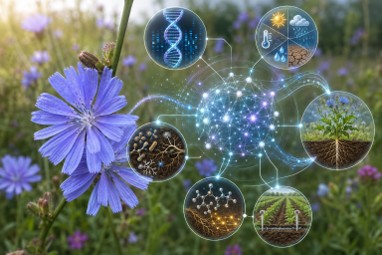
• Data integration: combination of microbiological, multi-omics, soil, plant, agronomic, and environmental data.
• Microbial indicator identification: detection of microbial taxa, functions, and interaction networks associated with plant performance and stress resilience.
• Statistical and machine-learning modelling: prediction of crop and microbiome responses to environmental and management conditions.
• Plant–microbiome interaction networks: modelling of relationships among microbial communities, plant traits, metabolites, gene expression, and environmental variables.
• Spatio-temporal modelling: analysis of microbiome and crop dynamics across developmental stages, growing seasons, and agricultural sites.
• Climate scenario assessment: simulation of crop and microbiome responses to drought, heat, salinity, and combined stresses.
• Microbiome management modelling: prediction of the effects of microbial inoculants, synthetic communities, and agricultural practices.
• Decision-support tools: development of practical recommendations for crop management and microbiome-based interventions.
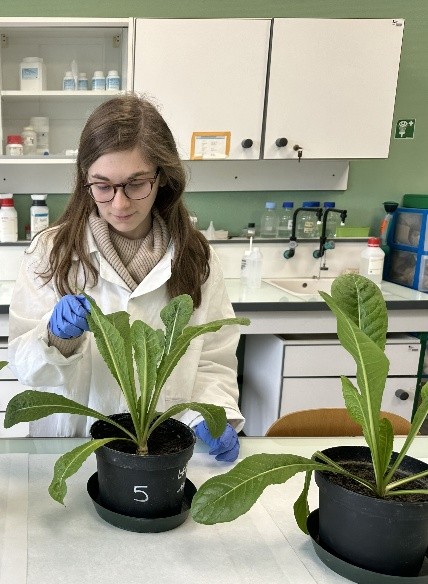
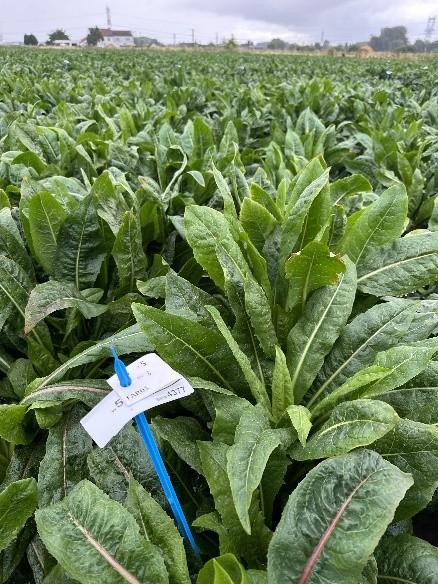
• Model validation: evaluation of predictions through greenhouse and field experiments.